
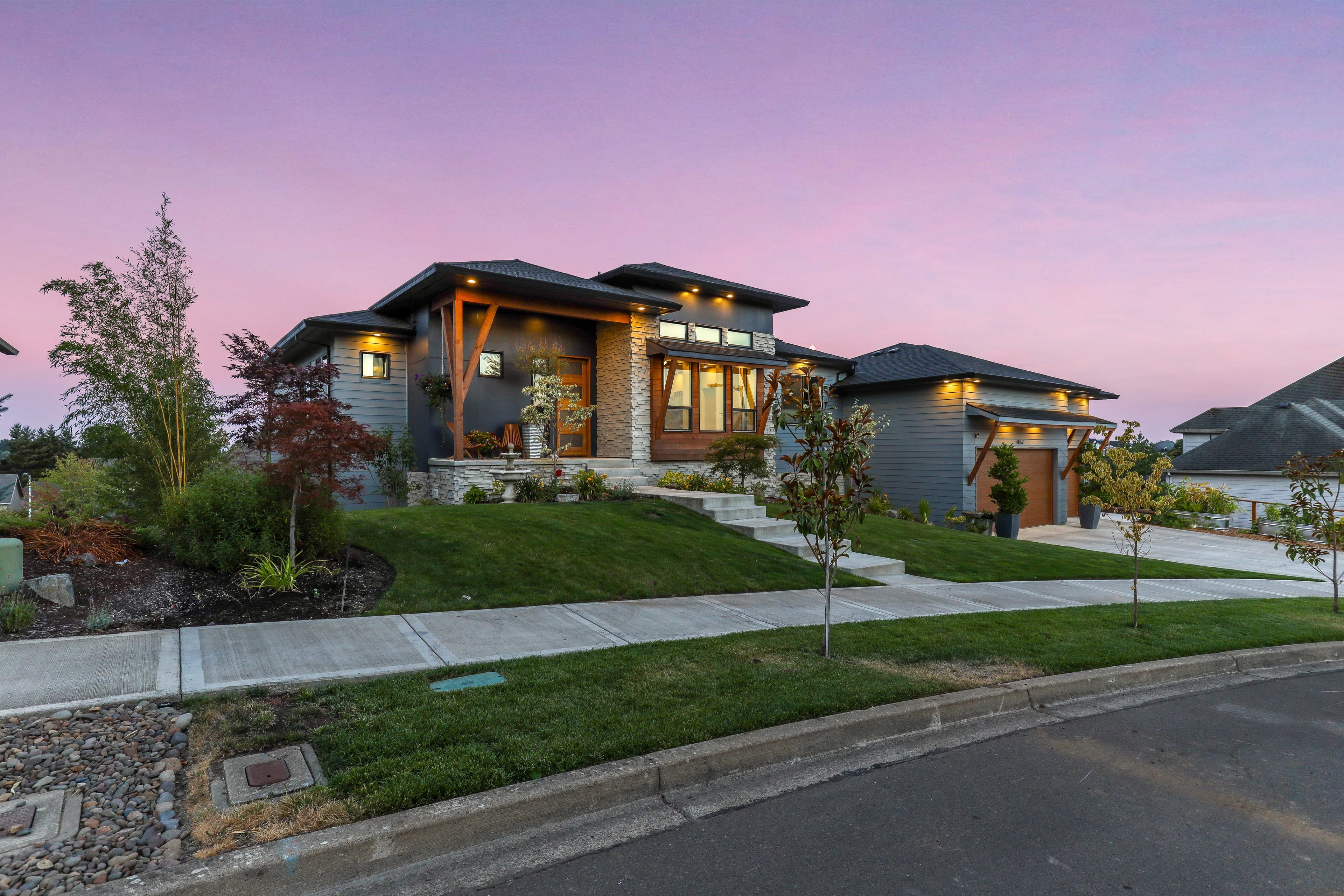
Your Land. Your Vision. One Team to Build It.
Transform Your Land Into Your Perfect Custom Home
Own the perfect piece of Oregon land? Creekside Homes specializes in building custom homes on your lot throughout Greater Portland and wine country. Our expertise in site evaluation, utility connections, and navigating local regulations ensures your project progresses smoothly from groundbreaking to move-in.
By Andrew Burton, founder of Creekside Homes · McMinnville, Oregon
What Building on Your Lot Actually Looks Like
When a family already owns the land, the first job of any builder worth hiring is to listen — to the site, to the family, and to what the lot is going to make easier or harder before any pencil hits paper. We walk every prospective lot ourselves before we quote a project. The ten things we're looking for are the difference between a home that gets built on schedule and on budget and a home that fights its land for the next three years. This page is meant to give you a clear, honest picture of what that process looks like and what it costs.
City Lot or Rural Acreage: A Real Decision Matrix
The single most consequential decision in a build-on-your-lot project is whether the lot is a city parcel with utilities at the property line or rural acreage that needs full site development. The math, the timeline, and the design language are all different.
City lots in McMinnville, Newberg, Sherwood, Hillsboro, and the surrounding cities typically have municipal water, sewer, and power available, faster permitting (often two to six weeks), and HOA architectural review on newer subdivisions. They tend to come with more restrictive setbacks, smaller buildable footprints, and higher per-square-foot land cost. Construction itself is often more straightforward because the access, utilities, and code review are all standardized.
Rural acreage in Yamhill, Polk, Washington, Clackamas, Tillamook, or Columbia counties gives you privacy, larger footprint freedom, and the views that brought you to the land in the first place. It also adds well drilling ($15,000–$25,000), septic installation ($20,000–$40,000), power line extension (highly variable based on distance from the road, sometimes $50,000+), driveway construction, and longer permitting timelines (six to twelve weeks for Yamhill County, three to six months for some coastal sites). Geotechnical engineering becomes more important. Fire-resilient design becomes more important. The home needs to know how to handle weeks of summer heat without grid power.
Neither option is universally better. The right choice depends on what the family wants from how they live in the home, the trade-offs they're willing to absorb, and the specific lot in question. We have this conversation honestly with every prospective client at the first meeting.
The Site Evaluation Every Lot Should Have
Before we recommend any design direction or quote any project, we conduct a paid site evaluation. It's deliberately thorough because the cost of skipping a step here is much higher than the cost of doing it carefully. The evaluation covers:
- Soil testing and geotechnical investigation — bearing capacity, drainage characteristics, expansive soil risk, foundation requirements (standard slab, stem wall, daylight basement, or engineered piers)
- Slope and drainage analysis — what grading is required, where water needs to go, whether the topography is going to drive the design or be fought by it
- Septic feasibility on rural lots — the perc test that determines whether a residential septic system is viable, and what type (standard, sand filter, ATT) the soils require
- Water source evaluation — well drilling depth and yield estimates from neighboring properties, water rights status, recharge characteristics
- Utility and access assessment — distance to power, gas, fiber, and acceptable driveway routing including any easement issues
- Zoning and land use review — what the county or city will let you build, setback requirements, lot coverage limits, and any active conservation easements or development restrictions
- Fire-resilience exposure — wildland-urban interface designation, defensible space requirements, and how the home should be sited to reduce ember-driven risk
For most lots, this evaluation runs $3,000 to $8,000. For rural acreage with significant unknowns it can be more. It is the single best dollar a custom-home buyer spends, and we credit it back against the design fee if you move forward.
Permitting Timeline by Jurisdiction
Permit timelines have a real effect on the project schedule and they vary more than people expect. Approximate timelines for a standard residential build in 2026:
- City of McMinnville — 2–4 weeks for standard residential
- City of Newberg — 2–4 weeks
- City of Sherwood — 3–6 weeks (HOA review on most subdivisions adds time)
- City of Hillsboro — 4–8 weeks
- Yamhill County (rural) — 6–12 weeks; longer for properties requiring land use review
- Polk County (rural) — 6–10 weeks
- Washington County (rural) — 8–12 weeks
- Clackamas County (rural) — 10–16 weeks
- Tillamook and Lincoln County (coastal) — 12–24 weeks; coastal permitting through Oregon Department of Land Conservation often adds time
We handle every permit, inspection, and document submission for our clients. You never have to sit in a county planning office waiting for a counter clerk. That is part of what design-build means.
What Rural Site Development Actually Costs
Site development on rural acreage typically adds $80,000 to $200,000 to a residential build before vertical construction starts. The breakdown is approximately:
- Well drilling: $15,000–$25,000 (deeper or harder geology pushes higher)
- Septic installation: $20,000–$40,000 standard; $50,000+ for sand-filter or alternative treatment systems on poorer soils
- Power line extension: $10,000–$50,000+, depending on distance from the road and whether the utility requires a transformer upgrade
- Driveway construction: $5,000–$30,000 for a standard 200' gravel drive; longer or paved drives can be substantially more
- Surveying and geotech: $5,000–$15,000
- Site clearing and grading: highly variable; modest sites $5,000–$15,000, heavy clearing or significant earthwork can be $30,000+
- Permit fees and SDCs: $5,000–$25,000 depending on jurisdiction
Every line item is real and every line item is honestly estimable for a specific lot once we've walked it. We give you that breakdown before any design work begins so the budget conversation reflects your actual property, not a generic average.
Building on a Sloped or Difficult Lot
Some of the most extraordinary custom homes we've built sit on lots that would have been disasters in less careful hands — steep hillside parcels, sites with view orientations that fight the lot, properties with awkward access or unusual setback configurations. The architecture has to be shaped by the site rather than fought against it. Daylight basements, cascading volumes that step with topography, view-oriented placements that ignore the easy way to lay out the home — all of these are tools for working with a difficult lot rather than against it. The early design conversation about what the site wants to do is the most important conversation in the project, and it's the conversation we know how to have.
Comprehensive Site Evaluation
Before construction begins, we conduct thorough land evaluation including soil testing for foundation requirements, slope and drainage analysis, utility availability assessment, and septic feasibility studies.
Our team handles all permitting processes, from city lots in McMinnville (2–3 weeks) to rural properties in Tillamook County (up to 6 months).
City Lot vs. Rural Acreage Expertise
City lots typically offer existing utilities and faster permitting but may have HOA restrictions and higher permit fees.
Rural properties provide privacy and space but may require well drilling ($15,000–25,000), septic installation ($20,000–40,000), and power line extensions.
We guide you through every decision to keep your project on budget.
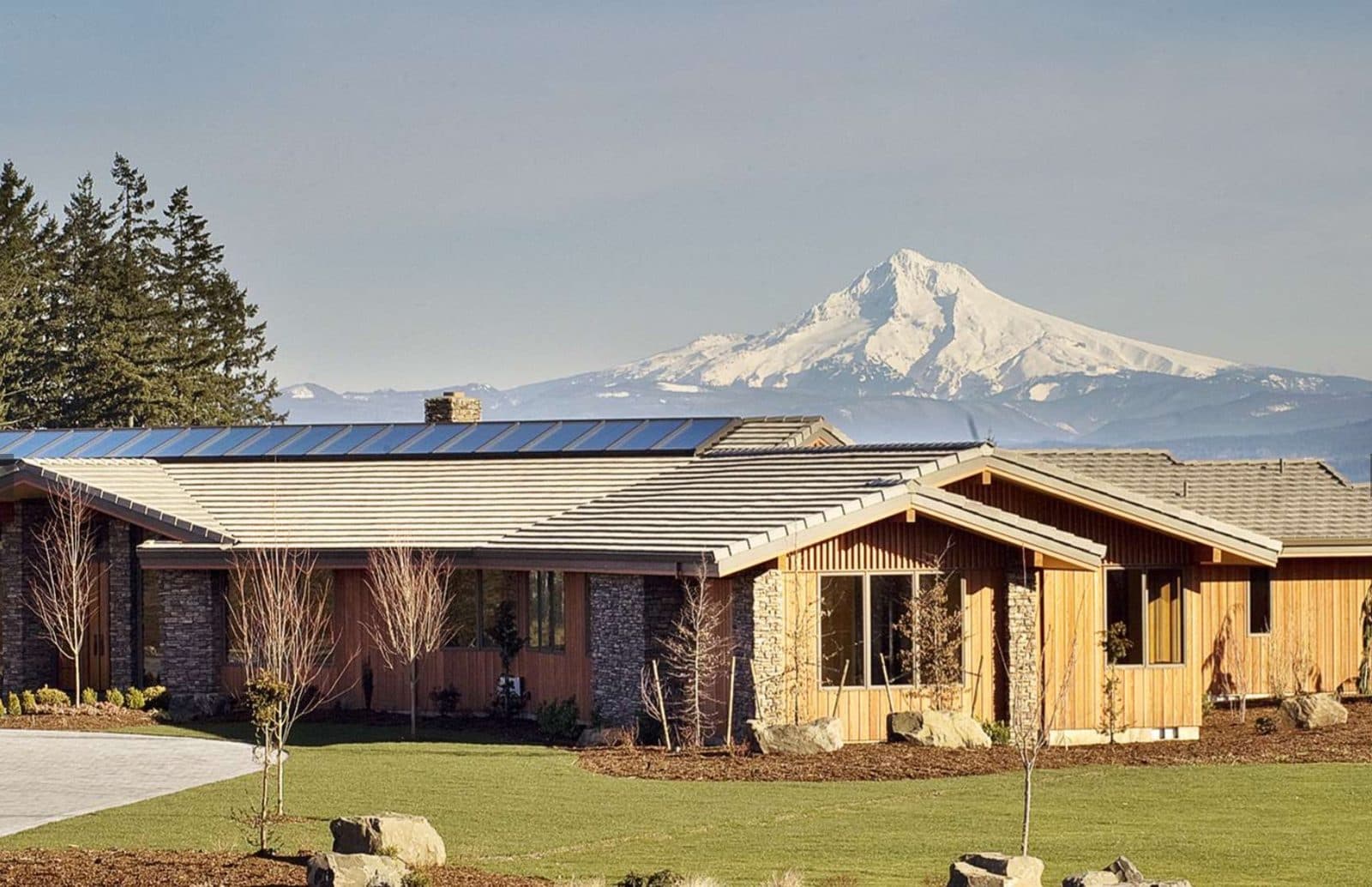
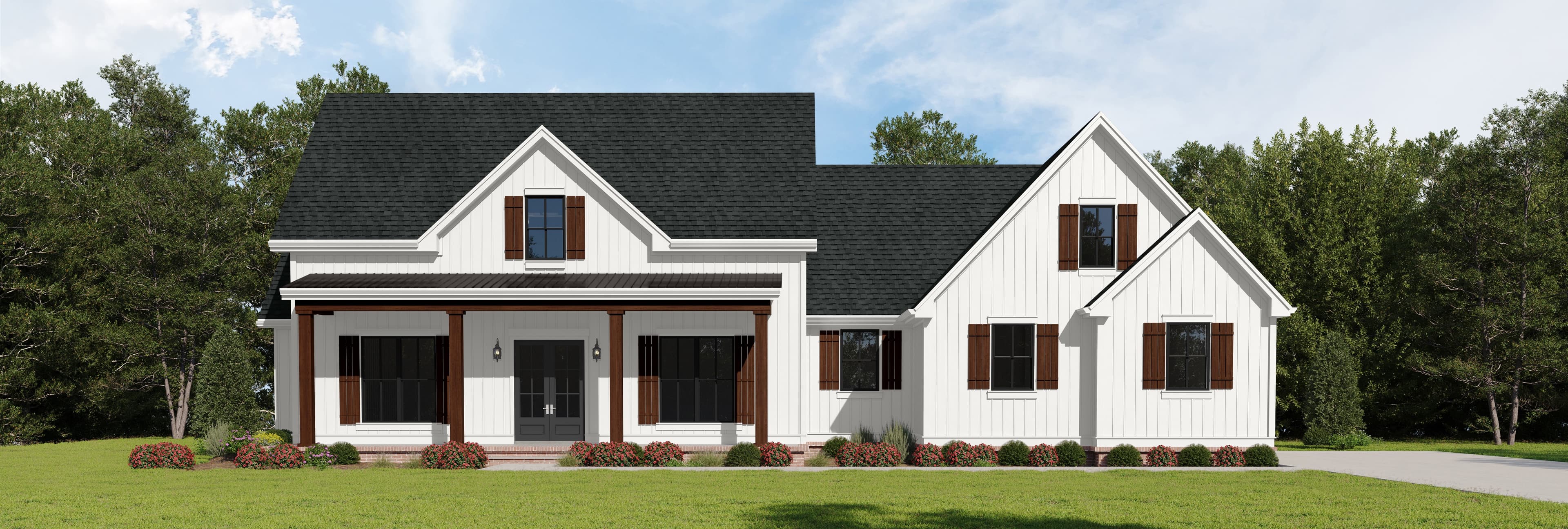
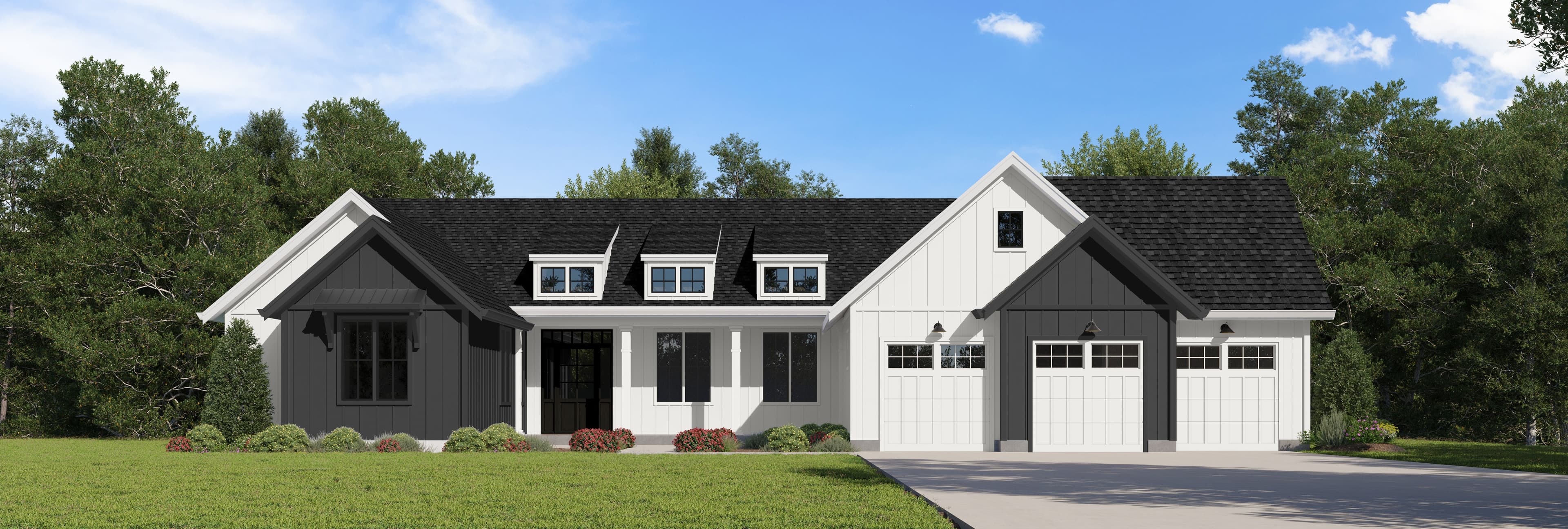
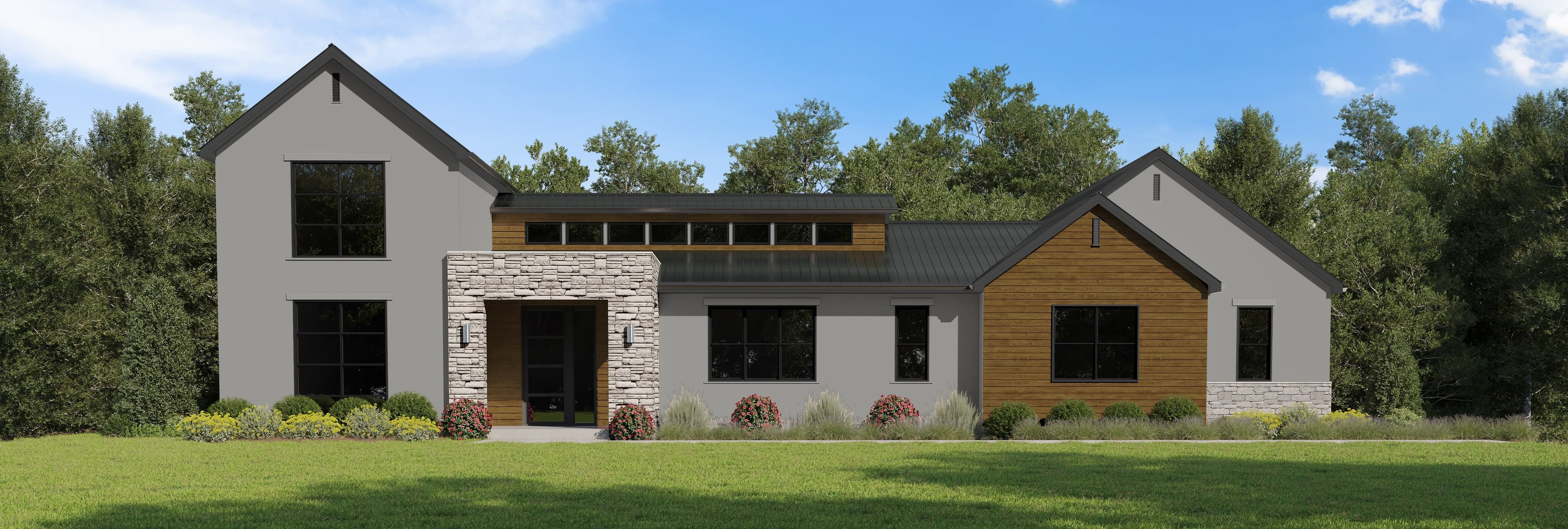
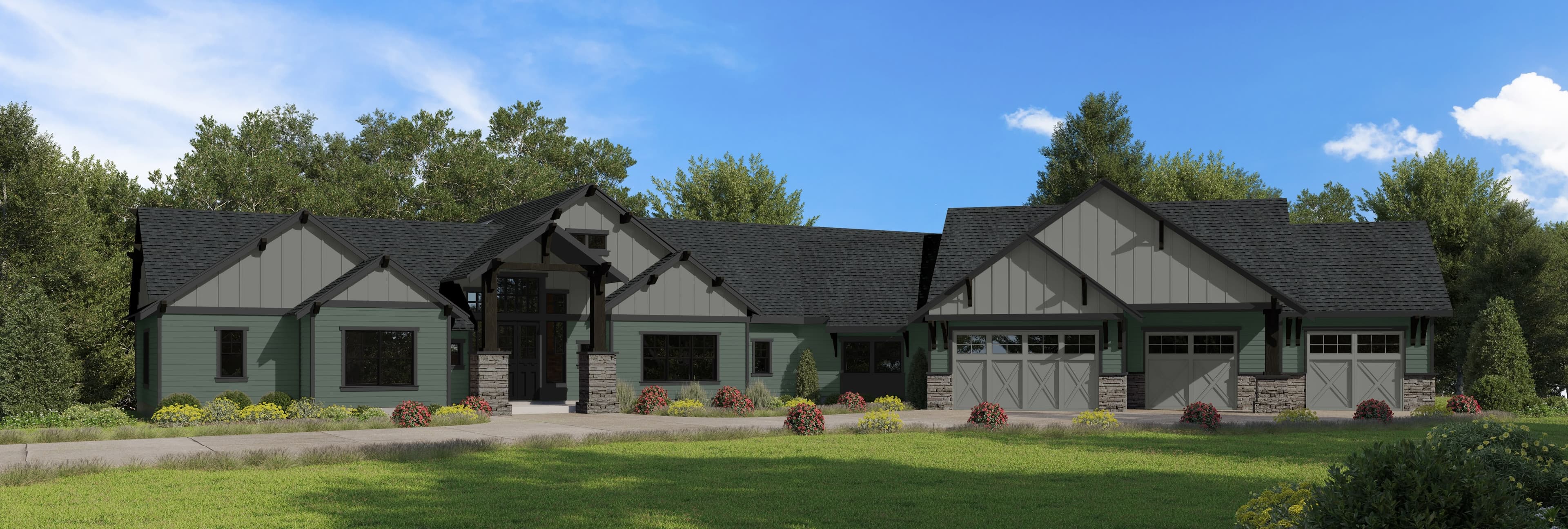
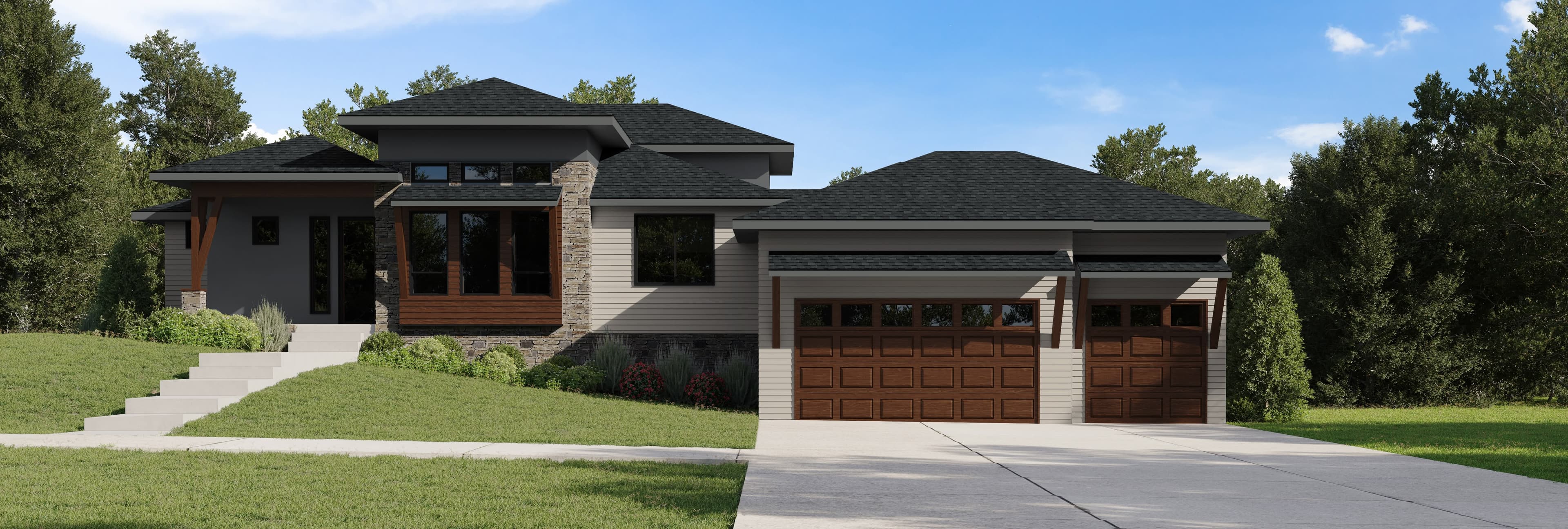
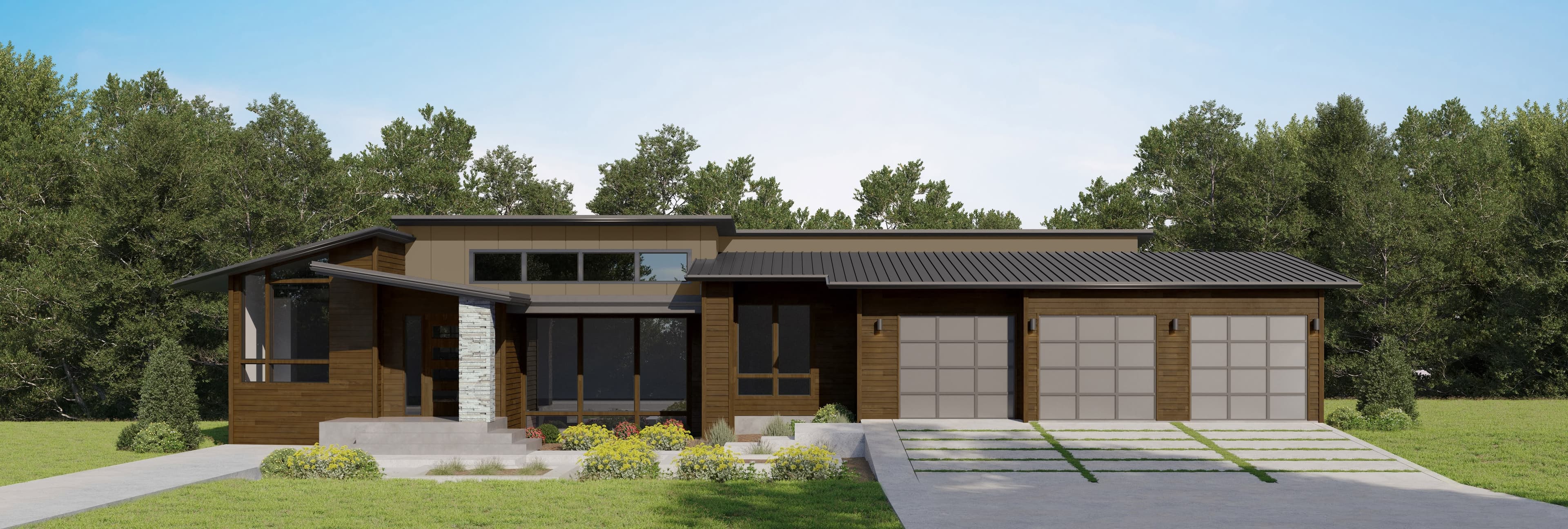
Featured Custom Home Designs
Explore Our Portfolio of Stunning Residences
Build-on-Your-Lot FAQs
What does it cost to build a custom home on land I already own?
Vertical construction in the greater Portland and wine country region typically runs $400 to $700 per finished square foot in 2026. Beyond that, site-related costs vary significantly by lot. Rural properties often add $15,000 to $25,000 for well drilling, $20,000 to $40,000 for septic installation, and additional cost for power line extension or driveway construction. Geotech, surveying, and permit fees can add $10,000 to $30,000 depending on jurisdiction. We do an honest site walk before quoting any project so the budget conversation reflects your specific lot.
How do I know if my land is buildable?
A lot is genuinely buildable when four things are true: soils support a standard or engineered foundation, the slope and drainage can be developed without excessive grading, water and septic are achievable (or municipal services exist), and zoning allows the home you want at the size you want. We evaluate all four during a paid site assessment before recommending a design direction. If something is going to make the build prohibitively expensive — or impossible — we tell you that early, before design fees and earnest money compound.
Do I need a perc test or soil test before I buy rural land in Oregon?
Yes — strongly recommended. A septic feasibility study (often called a perc test) determines whether the soils on a property can support a residential septic system, which directly affects both buildability and cost. If you're already in negotiations on a property, get a feasibility evaluation as a contingency before close. We've seen otherwise beautiful parcels in Yamhill, Polk, and Tillamook counties become unbuildable after testing. The few hundred dollars it costs is the cheapest insurance available against a six-figure mistake.
How long does the permitting process take in Oregon?
It depends entirely on jurisdiction. City lots in McMinnville, Sherwood, Hillsboro, or Newberg typically permit in two to six weeks for standard residential construction. Yamhill County rural lots often run six to twelve weeks. Polk, Marion, and Clackamas counties are similar. Tillamook County and Columbia County coastal sites can take three to six months. Land use approvals, geotech requirements, or septic permits can extend any of these. We handle the entire permitting process for our clients from start to finish.
Can you help me find land if I don't have a lot yet?
Yes. We work with a network of regional realtors and developers and routinely help clients evaluate parcels before purchase. Our land search service walks you through what to look for, how to qualify a buildable lot, and which red flags should kill a deal. The earlier we're involved, the better — buying the wrong piece of land is the single most expensive mistake we see in this business.
What's the difference between building on a city lot and rural acreage?
City lots typically have municipal water, sewer, and power at the property line, faster permitting, and often HOA architectural review. Rural acreage gives you privacy, larger footprint freedom, and views — but adds well drilling, septic installation, longer utility runs, and slower permitting. Rural sites also often need geotechnical study, fire-resilience considerations, and more thoughtful site placement. The right choice depends on what you actually want from the home and how you plan to live in it.
Can you build on a difficult or sloped lot?
Almost always, yes — but the design has to be shaped by the site rather than fought against it. Sloped sites can produce some of the most extraordinary homes when an architect works with the topography (daylight basements, cascading volumes, view orientation), and become disasters when a flat-site plan is forced onto them. We've worked with steep lots in the Chehalem Mountains, the Eola Hills, and along the coast range, and the early conversation about what the site wants to do is the most important one in the project.
Do you build on coastal Oregon lots?
Yes — selectively. Coastal builds bring their own engineering demands: wind loads, salt exposure, geotech around bluffs, and coastal-specific permitting through the Department of Land Conservation. We've completed projects in Lincoln County and Tillamook County and currently have a custom home in design above Depoe Bay. Coastal work is some of the most rewarding residential architecture available in Oregon and we approach those projects with the discipline they require.
Ready to Build on Your Lot?
Already own land? We'll walk your property, assess what's involved, and give you an honest picture of the path from dirt to done.